

Where Can I Find a Yeast Infection Treatment Specialist in Houston, TX
Yeast infections are common, uncomfortable, and sometimes recurrent. Many patients in the Houston area seek clear answers and effective treatment from a trusted provider. Dr. Ronen offers compassionate, evidence‑based care to diagnose and manage yeast infections with accuracy and sensitivity. Below are answers to the most frequently asked questions about yeast infections — what they are, what causes them, how they’re diagnosed, and how treatment is personalized for each patient. For more information, contact us or schedule an appointment online. Our clinic is conveniently located at 950 Threadneedle, Suite 282, Houston, TX 77079.


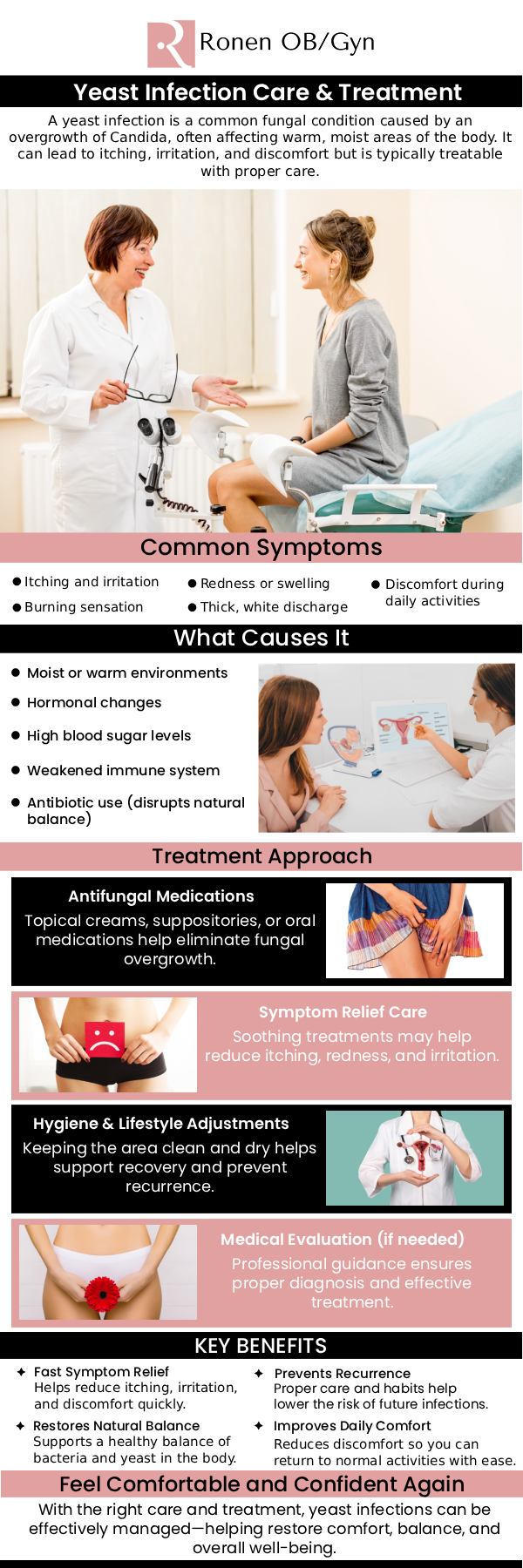
Table of Contents:
What is a yeast infection?
What causes a yeast infection?
What are the common symptoms of a yeast infection?
How is a yeast infection diagnosed?
How does Dr. Ronen diagnose the specific strain of yeast causing my infection?
A yeast infection is a type of fungal infection caused by an overgrowth of Candida species, most commonly Candida albicans. These fungi normally exist in small amounts in various parts of the body — including the mouth, gut, and genital area — without causing any harm. Under certain conditions, however, yeast can multiply rapidly and disrupt the balance of microorganisms, leading to infection.
Yeast infections are most commonly associated with the vaginal area in women, but they can also occur in other parts of the body, such as the mouth (thrush), skin folds, and under the breasts. Though not typically considered serious, yeast infections can cause significant discomfort and affect quality of life.
At Dr. Ronen’s clinic in Houston, yeast infections are treated with a patient‑centered approach that focuses on accurate diagnosis, effective treatment, and education to reduce recurrence.
Yeast infections develop when the balance of microorganisms in the body shifts in favor of fungal overgrowth. Several factors can trigger this imbalance:
1. Antibiotic Use
Antibiotics kill bacteria — including the healthy bacteria that help keep yeast in check. When these protective bacteria are depleted, yeast can grow unchecked.
2. Hormonal Changes
Hormonal fluctuations, especially those related to pregnancy, birth control pills, or hormone replacement therapy, can alter the vaginal environment, making yeast infections more likely.
3. Weakened Immune System
Conditions that weaken the immune system — such as diabetes, HIV, or the use of certain medications — reduce the body’s ability to control yeast populations.
4. Increased Moisture and Heat
Yeast thrives in warm, moist environments. Tight clothing, prolonged wet bathing suits, or excessive sweating can create conditions favorable to yeast overgrowth.
5. Diet and Lifestyle
High sugar intake, chronic stress, and lack of sleep may influence yeast proliferation by creating systemic conditions that favor fungal growth.
6. pH Imbalance
A healthy vaginal environment maintains a slightly acidic pH. Anything that alters this balance — such as douching or certain soaps — may increase susceptibility to yeast infections.
Understanding the specific cause or contributing factors for each patient helps our team tailor treatment recommendations and preventive strategies to reduce the likelihood of future infections.
Yeast infections can present with a range of symptoms that vary in severity. Common signs include:
1. Itching and Irritation
Persistent itching around the vaginal area, vulva, or surrounding skin is one of the most typical symptoms.
2. Abnormal Discharge
Yeast infections often produce a thick, white vaginal discharge that may resemble cottage cheese. Unlike bacterial infections, this discharge usually isn’t accompanied by a strong odor.
3. Redness and Swelling
Inflammation of the external genital tissues may occur, leading to redness, soreness, and discomfort.
4. Burning Sensation
Many patients report a burning feeling during urination or intercourse.
5. Soreness or Pain
Irritation can sometimes lead to discomfort during movement or when contacted by clothing.
While these symptoms are characteristic of yeast infections, they can also overlap with other conditions, such as bacterial vaginosis or sexually transmitted infections. Accurate diagnosis by a trained clinician like Dr. Ronen ensures that treatment is appropriate and effective.
A yeast infection cannot be accurately diagnosed based on symptoms alone because many genital symptoms overlap with other conditions. At Dr. Ronen’s clinic, diagnosis involves a careful, evidence‑based process designed to confirm the presence of fungal infection and rule out other possible causes.
1. Detailed Medical History
Your provider begins by discussing your symptoms, medical history, recent antibiotic use, menstrual cycle, lifestyle factors, and any previous infection history. This contextual information helps guide the diagnostic approach.
2. Physical Examination
A gentle, thorough physical exam allows the clinician to assess inflammation, discharge, and other visible signs consistent with a yeast infection.
3. Laboratory Testing
Lab analysis of vaginal secretions is one of the most reliable ways to diagnose a yeast infection. Samples may be collected during your visit and examined microscopically or sent to a lab for culture or molecular testing.
4. pH Testing
Measuring vaginal pH helps distinguish yeast infections from other causes of discharge, since yeast generally does not alter pH as significantly as some bacterial infections do.
5. Microscopy and Culture
Under the microscope, trained technicians can identify yeast cells. In some cases, a culture is performed to determine the specific strain and detect antifungal resistance patterns.
Accurate diagnosis is the foundation for effective treatment. This detailed approach reduces the risk of misdiagnosis and ensures that you receive the most appropriate therapy.
Identifying the specific strain of yeast responsible for your infection can be an important aspect of personalized treatment — especially for recurrent or complicated cases. Dr. Ronen uses advanced diagnostic techniques to determine the exact yeast species and tailor therapy accordingly.
Here’s how strain‑specific diagnosis is achieved:
1. Culture Testing
When samples of discharge are cultured in a laboratory, they are placed on specialized media designed to encourage fungal growth. Different yeast species grow with characteristic appearances, allowing laboratory professionals to identify the specific organism.
2. Molecular Methods
In certain cases, molecular diagnostic tools such as PCR (polymerase chain reaction) are used to quickly and accurately identify yeast DNA. This method enhances precision when standard culture results are inconclusive.
3. Sensitivity Testing
If a yeast infection is recurrent or resistant to standard therapies, sensitivity testing may be performed. This identifies which antifungal medications the specific yeast strain is most susceptible to, enabling targeted treatment.
4. Clinical Correlation
Identifying a strain is only one piece of the diagnostic puzzle. Your symptoms, history of recurrence, and prior treatment response are correlated with lab findings to develop a comprehensive treatment plan.
By identifying the exact strain and its behavior, Dr. Ronen can recommend the most effective antifungal therapy — whether oral, topical, or a combination — and provide guidance on preventive strategies to reduce recurrence.
Yeast infections are common, but they don’t have to be uncomfortable or confusing. At Ronen OB/GYN, you receive personalized, thorough care rooted in accurate diagnosis and evidence‑based treatment. If you’re experiencing symptoms or have recurrent infections, scheduling an evaluation can bring clarity, relief, and long‑term support for your reproductive health. For more information, contact us or schedule an appointment online. Our clinic is conveniently located at 950 Threadneedle, Suite 282, Houston, TX 77079. We serve patients from Houston TX, Jersey Village TX, Hunters Creek Village TX, Katy TX, Cinco Ranch TX, Westside Houston TX and surrounding areas.
Check Out Our 5 Star Reviews


Additional Services You May Need




 Send Text
 How May I Help You?